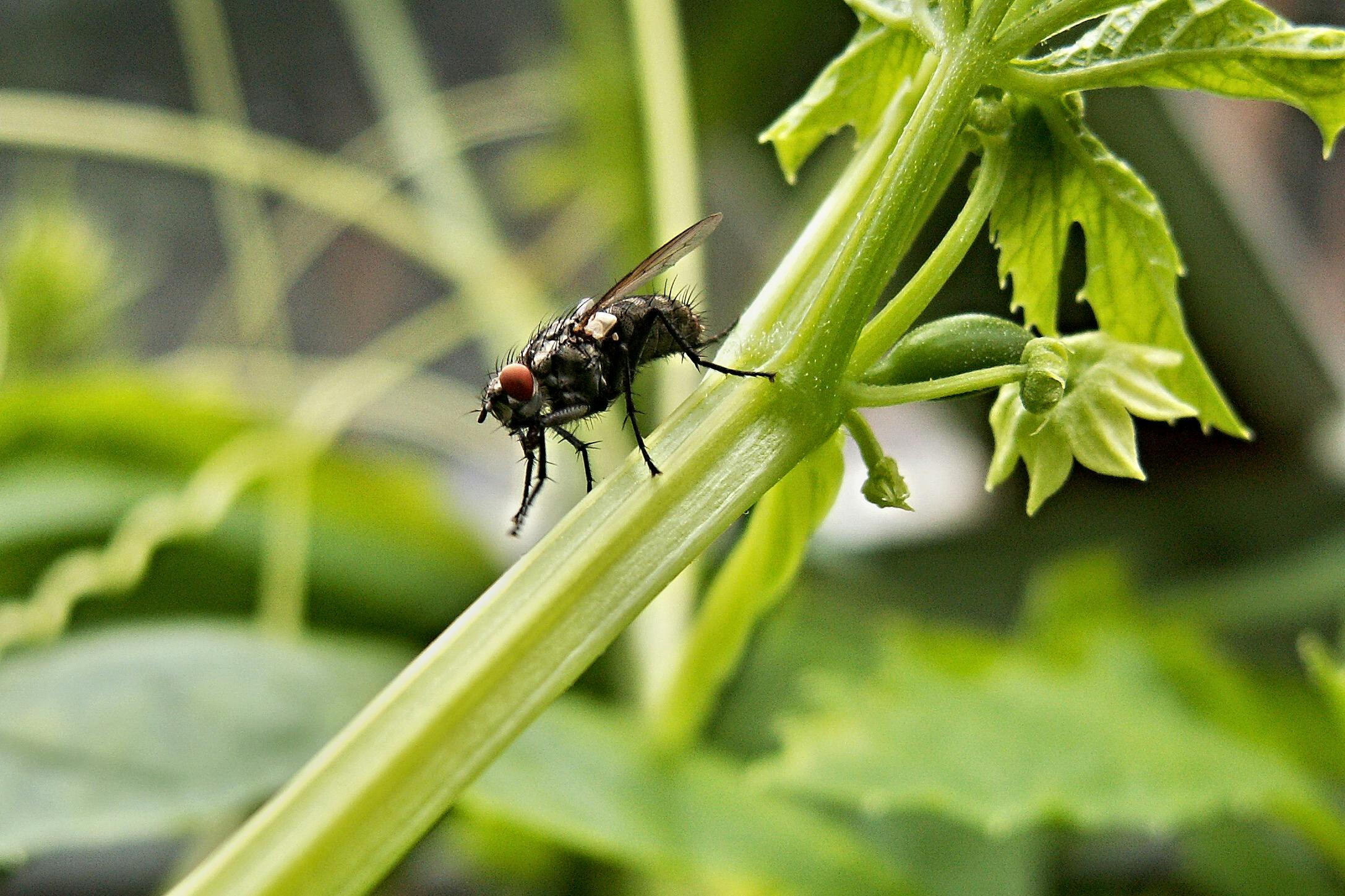
Flies are one of the most annoying pests to deal with when you’re trying to enjoy your outdoor space. Whether it’s a summer barbecue, a quiet afternoon on the patio, or gardening in the backyard, flies seem to find their way into every corner. They buzz around food, land on skin, and can carry bacteria that spread illness. Fortunately, there are practical and safe ways to reduce their presence.
In this guide, you’ll learn how to get rid of flies outside using proven strategies. We’ll cover why flies are attracted to outdoor spaces, natural remedies, DIY repellents, cleaning tips, and long-term prevention strategies that help keep your yard fly-free.
Why Flies Gather in Outdoor Spaces
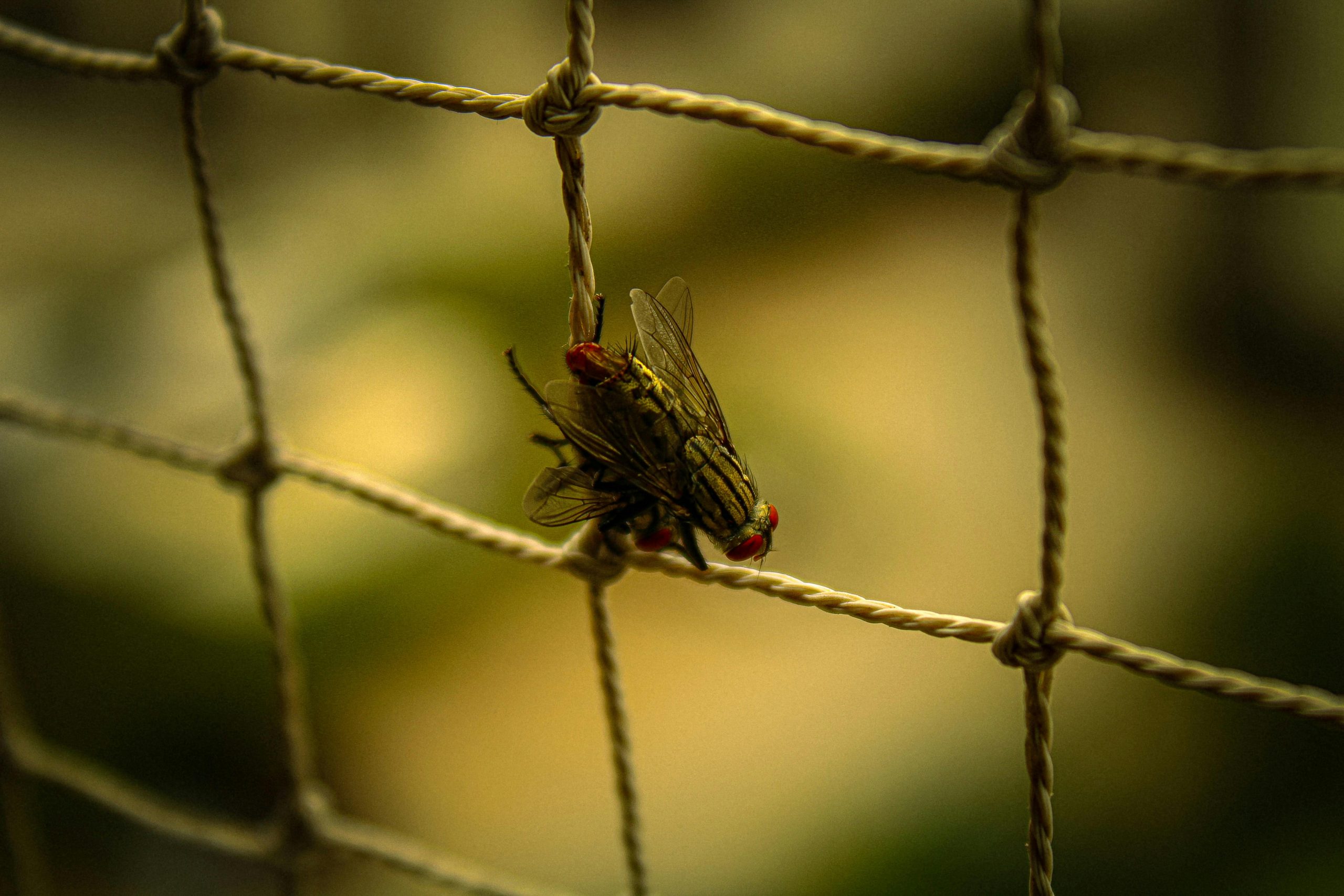
Flies are naturally attracted to places where they can find food and moisture. Common outdoor attractants include:
- Food scraps: Leftover barbecue food, pet bowls, or crumbs left on tables.
- Rubbish bins: Unsealed bins or bags of garbage can draw flies quickly.
- Animal waste: Pet droppings or livestock manure in the yard.
- Standing water: Birdbaths, puddles, and clogged gutters create ideal breeding sites.
- Compost piles: Organic waste, if not properly maintained, can become a magnet for flies.
By understanding what attracts them, you can take steps to make your outdoor space less inviting.
Natural Ways to Repel Flies Outside
If you’d rather avoid chemical sprays, there are many natural solutions that can help keep flies away and make your outdoor areas more enjoyable. These methods are safe, eco-friendly, and often double as lovely additions to your garden or patio.
1. Essential Oils
Certain scents are unpleasant to flies but refreshing for humans. Oils such as eucalyptus, lavender, peppermint, and citronella are especially effective.
- Spray solution – Mix a few drops of your chosen oil with water in a spray bottle and lightly mist around outdoor tables, seating areas, and entryways.
- Diffusers & candles – Essential oil diffusers or candles placed on patios and decks not only create a pleasant aroma but also help discourage flies from hanging around.
- Reusable cloth strips – Dab essential oils onto strips of fabric or cotton balls and place them near doors, windows, or outdoor dining spots for longer-lasting results.
2. Herbs and Plants
Flies dislike the smell of certain plants. By planting these around your garden, in window boxes, or in pots near seating areas, you can naturally deter them while adding greenery.
- Basil – Effective against flies and mosquitoes.
- Mint – Refreshing scent for humans, but flies avoid it.
- Rosemary – Hardy and works well in garden beds or pots.
- Marigolds – Bright flowers that repel not only flies but also aphids and other pests.
- Lavender – A fragrant choice that attracts pollinators while discouraging flies.
Tip: Position these plants near doorways, patios, and BBQ areas for maximum effect.
3. DIY Vinegar Traps
A simple homemade trap can drastically reduce fly numbers without the need for harsh chemicals.
- Fill a jar or small bowl with apple cider vinegar and add a few drops of dishwashing liquid.
- Cover with cling film and poke small holes in the top.
- Flies are drawn to the vinegar but get trapped in the liquid, helping to cut down their population around your home.
For best results, place traps in problem areas such as near bins, compost piles, or outdoor eating spots.
4. Citronella Candles
Burning citronella candles is a classic way to keep flies at bay. They’re particularly handy during outdoor meals, picnics, or family gatherings in the garden. Citronella masks scents that attract flies, making it harder for them to locate food.
To boost effectiveness, use several candles around the perimeter of your entertaining area rather than relying on just one. Pairing them with citronella torches or oil burners can provide broader coverage.
How to Reduce Fly Breeding Grounds
One of the best strategies for controlling flies is to eliminate their breeding areas. Since flies reproduce quickly, breaking their life cycle is essential.
- Keep rubbish sealed: Use bins with tight-fitting lids and empty them regularly.
- Pick up pet waste: Dispose of droppings promptly to prevent flies from laying eggs.
- Manage compost properly: Turn compost piles often and cover them to reduce odours.
- Fix drainage issues: Remove standing water and clean gutters.
- Cover outdoor food: When eating outside, keep food covered until serving.
By removing these attractants, you cut off the fly population at the source.
Outdoor Cleaning Tips to Control Flies
Keeping your outdoor spaces clean is one of the most effective ways to reduce fly numbers around the home. Flies are strongly attracted to food scraps, sugary drinks, and pet waste, so a consistent cleaning routine can make your backyard far less inviting for them. Here are some simple but effective habits to follow:
- Wipe down outdoor tables and benches after meals. Even small crumbs, grease, or drink spills can attract flies. Use a damp cloth with mild detergent to keep surfaces clean and odour-free.
- Store pet food properly. Flies are quick to swarm around pet bowls, so serve food indoors when possible. If you must feed pets outside, pick up leftovers promptly and keep dry food in sealed containers.
- Rinse recycling containers. Soft drink cans, juice bottles, and other recyclables often hold sugary residue that flies love. Give them a quick rinse before placing them in bins to stop attracting pests.
- Hose down patios and decks. Over time, tiny food particles and sticky spots can build up outdoors. A quick hose-down helps remove crumbs and residues that would otherwise encourage flies.
- Avoid leaving ripe fruit or open drinks outside. Sweet scents are a magnet for flies. Keep fruit bowls indoors and cover drinks when entertaining outdoors.
Consistency is key here. Spending just a few minutes each day tidying up can dramatically cut down on fly infestations and keep your outdoor spaces far more enjoyable for family and guests.
Outdoor Fly Repellent Products
If natural methods aren’t enough, you may consider store-bought fly control products.
- Fly traps: Commercial traps that lure flies with bait and trap them inside.
- Sticky fly paper: Effective but less visually appealing, best used away from dining areas.
- Outdoor sprays: Residual insect sprays can be applied around outdoor bins, decks, or fences.
- Electronic fly zappers: These attract flies with UV light and kill them instantly.
When using chemical options, always follow label directions carefully and consider children, pets, and wildlife in your yard.
Keeping Flies Away During Outdoor Gatherings
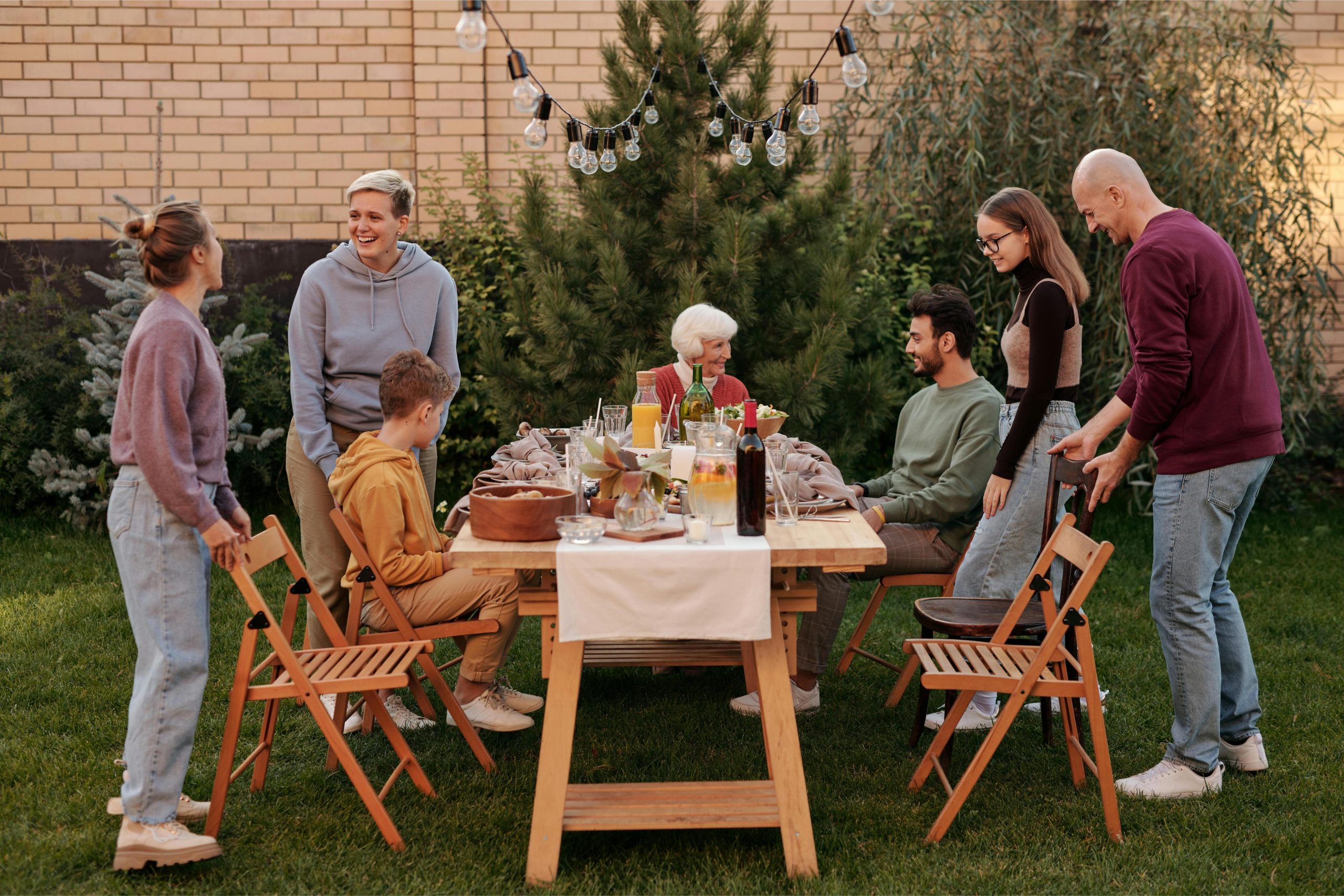
If you’re hosting a party or barbecue, the last thing you want is flies buzzing around guests and food. Here are quick solutions for event days:
- Serve food indoors and bring it out only when needed.
- Use mesh food covers for platters.
- Place a fan on the patio—flies dislike strong airflow.
- Set up a few vinegar traps in discreet spots around the yard.
- Light citronella candles around the seating area.
These temporary measures keep flies under control while you enjoy your time outdoors.
Long-Term Prevention Strategies
Getting rid of flies once is a good start, but keeping them away for the long haul takes consistent habits and smart solutions. Try these long-term strategies:
- Maintain your garden regularly: Trim lawns, clear weeds, and remove rotting leaves or plants that attract flies. Compost piles should be properly covered, and pet waste needs to be cleaned up promptly to avoid giving flies an easy breeding ground.
- Install outdoor fans: Flies are weak fliers and struggle in windy conditions. Ceiling or standing fans on patios create a simple barrier, making it harder for them to land on food or people. In addition, fans can help reduce humidity, which often attracts insects.
- Add fly screens: If you have a veranda, pergola, or outdoor kitchen, screening the space keeps flies from entering. Choose fine mesh screens for maximum protection, and check them regularly for holes or gaps where flies can slip through.
- Encourage natural predators: Birds, bats, frogs, and even dragonflies naturally control fly populations. Installing birdhouses, bat boxes, or a small garden pond can help attract these predators to your yard and create a balanced ecosystem.
- Check for dead animals: Occasionally, rodents or birds may die in sheds, garages, or roof spaces. These quickly become hotspots for flies. Inspect less-used areas every so often, and remove any carcasses promptly to avoid infestations.
- Keep garbage sealed: Outdoor bins should always have tight-fitting lids to stop flies from breeding inside. Clean the bins regularly with a disinfectant or vinegar solution to remove odours that attract flies.
- Monitor drainage and water: Standing water in gutters, buckets, or flower pots is not only a mosquito issue—it can attract flies as well. Make sure water drains properly around your yard and keep outdoor surfaces dry where possible.
With these measures, you create a lasting defence that keeps your outdoor areas comfortable and mostly fly-free.
Safety Considerations
When dealing with fly control outdoors, it’s important to think about the safety of your family, pets, and the environment.
- Avoid overusing chemical sprays, especially near edible plants or vegetable gardens.
- Store traps and repellents out of reach of children and pets.
- Choose eco-friendly options whenever possible.
- Be cautious when using open flames like citronella candles in dry or windy conditions.
Final Thoughts
Flies are a common nuisance, but with the right strategies, you can drastically reduce their presence. By combining natural remedies, good cleaning habits, and preventive measures, you’ll keep your outdoor spaces more enjoyable year-round.
Whether it’s setting up vinegar traps, planting fly-repelling herbs, or simply keeping bins sealed, small steps make a big difference. The key is consistency—maintaining these habits ensures that flies don’t come back in large numbers.
So, next time you’re preparing for a backyard barbecue or just want to relax outside, you’ll know exactly how to get rid of flies outside and enjoy your space in peace.