Air conditioning systems play an important role in keeping homes and businesses comfortable, particularly during Australia’s warmer months. Like any other mechanical system, an air conditioner needs regular maintenance to operate effectively. While homeowners can handle simple tasks such as cleaning filters, professional servicing involves a much more thorough process.
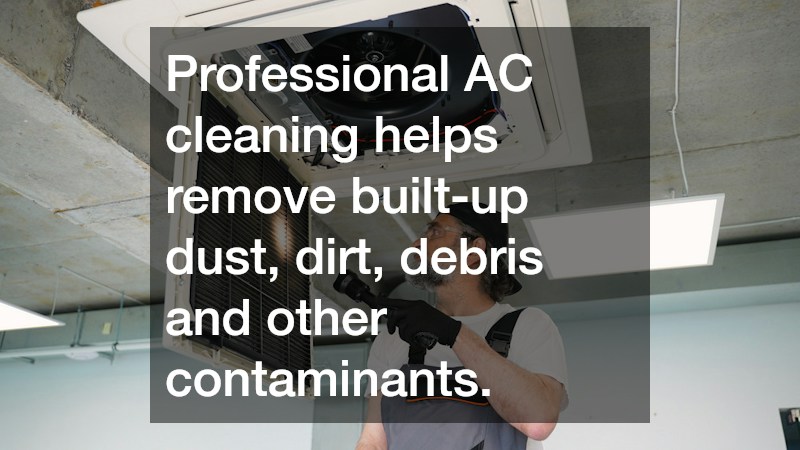
Professional AC cleaning helps remove built-up dust, dirt, debris and other contaminants from important components of an air conditioning system. It can also give technicians an opportunity to identify potential problems before they develop into expensive repairs.
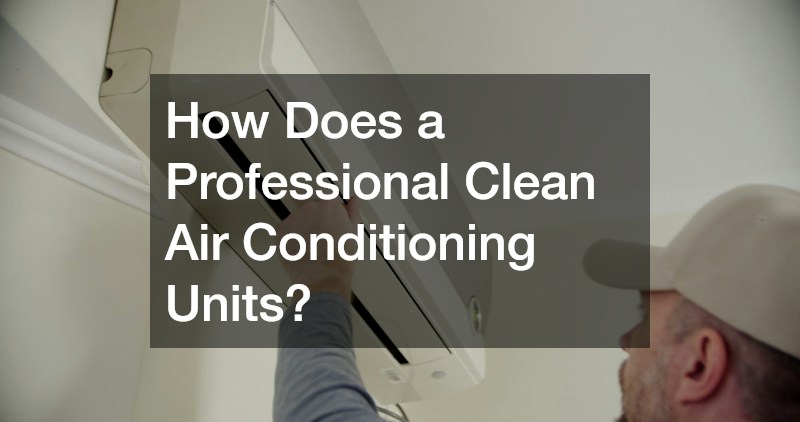
But what actually happens during a professional clean? Understanding the process can help property owners know what to expect.
Inspecting The Air Conditioning Unit
Before cleaning begins, a professional technician will generally inspect the air conditioning system. This allows them to assess its condition and identify any existing issues that may need attention.
The technician may examine the indoor and outdoor units, electrical components, filters, coils, drainage system and other accessible parts. They can also check for unusual noises, visible damage, water leaks or signs that the system is struggling to operate correctly.
This initial inspection is important because cleaning should not simply involve removing visible dust. A technician needs to understand the condition of the system before determining which cleaning methods are appropriate.
Turning Off And Protecting The System
Safety is an important part of professional AC cleaning. Before working on the system, the technician will typically switch it off and take appropriate precautions around electrical components.
The surrounding area may also be protected to prevent dust, water and cleaning products from spreading onto walls, floors or furniture. For split-system air conditioners, technicians can use specialised cleaning covers or similar equipment to contain moisture and debris while cleaning the indoor unit.
Taking these precautions allows the technician to clean more thoroughly while reducing the risk of damage to the property.
Cleaning Or Replacing The Filters
Filters are among the most accessible components of an air conditioner and are often the first part that requires attention. Over time, they can collect dust, dirt, hair and other particles.
A professional technician will remove the filters and assess their condition. Depending on the manufacturer’s recommendations and the type of filter, they may clean reusable filters or recommend replacement when necessary.
Clean filters allow air to move through the system more easily. However, filters are only one part of an air conditioner, which is why professional servicing goes beyond simply washing or vacuuming them.
Cleaning The Indoor Unit
The indoor component of a split-system air conditioner contains several areas where dust and grime can accumulate. A professional cleaner can carefully clean the casing, vents, fan and other accessible components.
Particular attention may be given to the blower fan. Dust and debris can accumulate on the fan blades over time, potentially affecting airflow and contributing to unpleasant odours.
During AC cleaning, technicians may use specialised brushes, vacuums and appropriate cleaning solutions to remove accumulated material without damaging sensitive components. The exact process will depend on the air conditioner and its condition.
Cleaning The Evaporator Coils
The evaporator coils are another important component that can collect dust and other debris. When these surfaces become dirty, airflow and heat transfer can be affected.
A professional technician can inspect the coils and use suitable cleaning equipment to remove built-up contamination. Because the coils are relatively delicate, using the wrong tools or excessive pressure can cause damage.
Professional cleaning therefore focuses on removing contamination while protecting the equipment. Technicians also understand which products are suitable for particular air conditioning systems.
Cleaning The Outdoor Unit
Professional AC cleaning can also involve the outdoor condenser unit. This component is exposed to the elements and can accumulate leaves, grass, dirt and other debris.
The technician may clear debris from around the unit and carefully clean accessible areas, including the condenser coils. Keeping these areas reasonably clean can help the system release heat effectively.
The technician may also check that there is sufficient clearance around the outdoor unit. Objects, vegetation or accumulated debris too close to the condenser can restrict airflow and interfere with its operation.
Checking The Drainage System
Air conditioners produce condensation during normal operation, which needs to drain away properly. If the drainage system becomes blocked with dirt or biological growth, water may back up and potentially leak from the indoor unit.
As part of professional AC cleaning, the technician can inspect the condensate drain and remove appropriate blockages. They may also check the drain pan and surrounding areas for signs of moisture or buildup.
Addressing drainage issues early can help prevent water damage and reduce the likelihood of unpleasant smells associated with stagnant moisture.
Cleaning And Sanitising Where Appropriate
Depending on the condition of the system, professional cleaners may use suitable products to help remove accumulated grime and reduce unwanted odours. This can be particularly useful when an air conditioner has not been serviced for an extended period.
However, professional cleaning is not simply about making the unit look cleaner. The technician needs to use products and methods that are appropriate for the equipment. Excessive moisture or unsuitable chemicals can potentially damage components.
For this reason, thorough cleaning should be approached differently from general household cleaning.
Testing The Air Conditioner
After cleaning is complete, the technician can reassemble the system and test its operation. They may check airflow, listen for unusual sounds and confirm that the unit is functioning as expected.
Testing provides an opportunity to identify issues that may not have been obvious during the initial inspection. If the technician discovers a mechanical, electrical or refrigerant-related problem, they can explain the issue and recommend the appropriate next step.
Why Professional Cleaning Matters
Regular AC cleaning can help keep an air conditioning system cleaner and provide an opportunity to identify developing problems. It can also support proper airflow and help the system operate in a more suitable condition.
Professional servicing is particularly valuable because technicians can access areas that are difficult for homeowners to clean safely. They also have specialised equipment and knowledge that allows them to work around electrical and mechanical components.
Homeowners should still follow the manufacturer’s recommendations for routine maintenance, including cleaning accessible filters. However, professional servicing can provide a more comprehensive level of care.
Professional air conditioning cleaning involves considerably more than wiping down the outside of a unit. From inspecting the system and cleaning filters to addressing coils, fans, drainage components and outdoor units, technicians follow a systematic process designed to maintain the equipment and identify potential concerns.
Scheduling professional AC cleaning can be a practical part of ongoing air conditioner maintenance. Combined with regular filter care and appropriate servicing, it can help property owners keep their systems cleaner, functional and ready to provide reliable comfort when temperatures rise.